
From Helping to Empowering: How Coaching Is Reshaping My Professional Practice
by Gergana Tomanova This article was written as part of the dissemination activities for the “Practicing Coaching and Guiding” training ...
by Gergana Tomanova This article was written as part of the dissemination activities for the “Practicing Coaching and Guiding” training ...
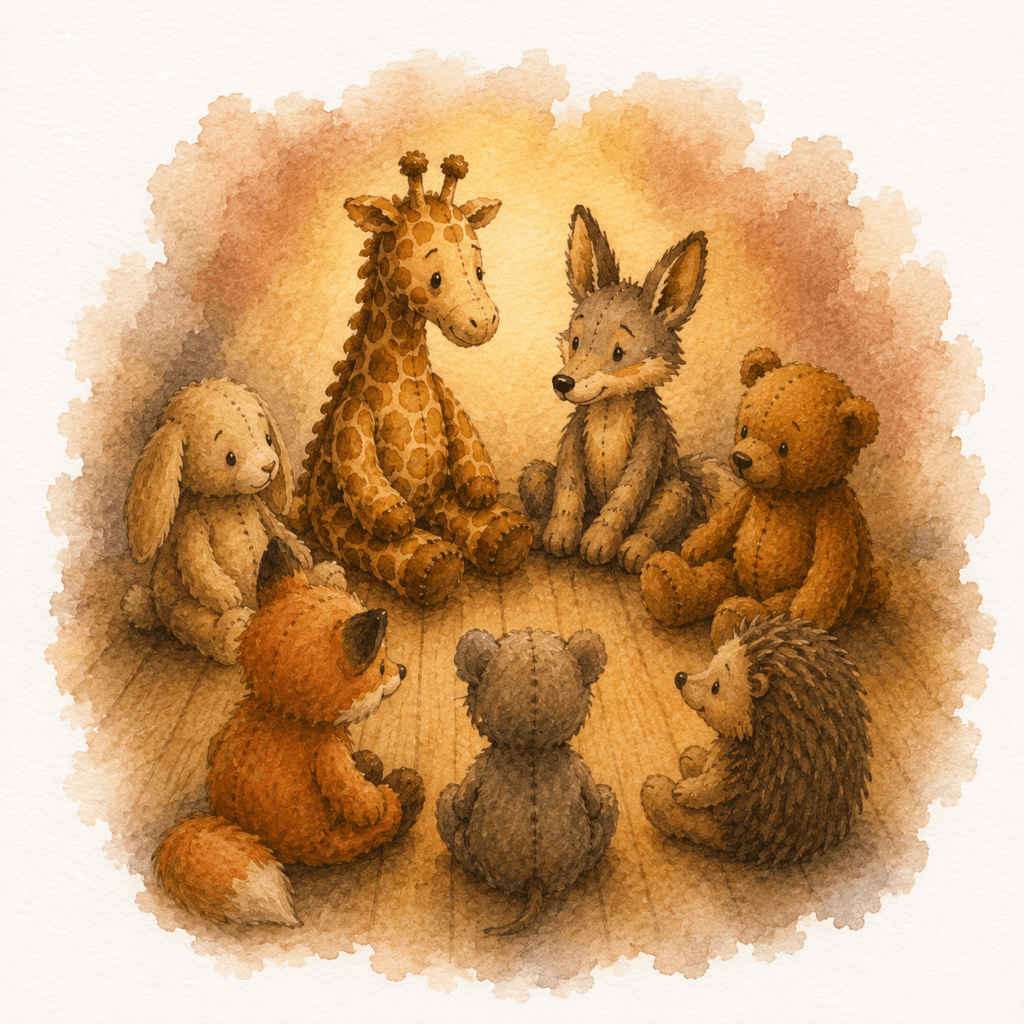
There is a moment in almost every group when a difficult situation comes. A conflict. Someone feels excluded. There is a disagreement that is now allowed to be spoken.. The instinct trained into most of us since childhood is to look for who's at fault and what the consequence should be. Ask a different question, though, and everything changes: what does this situation need in order to be repaired?
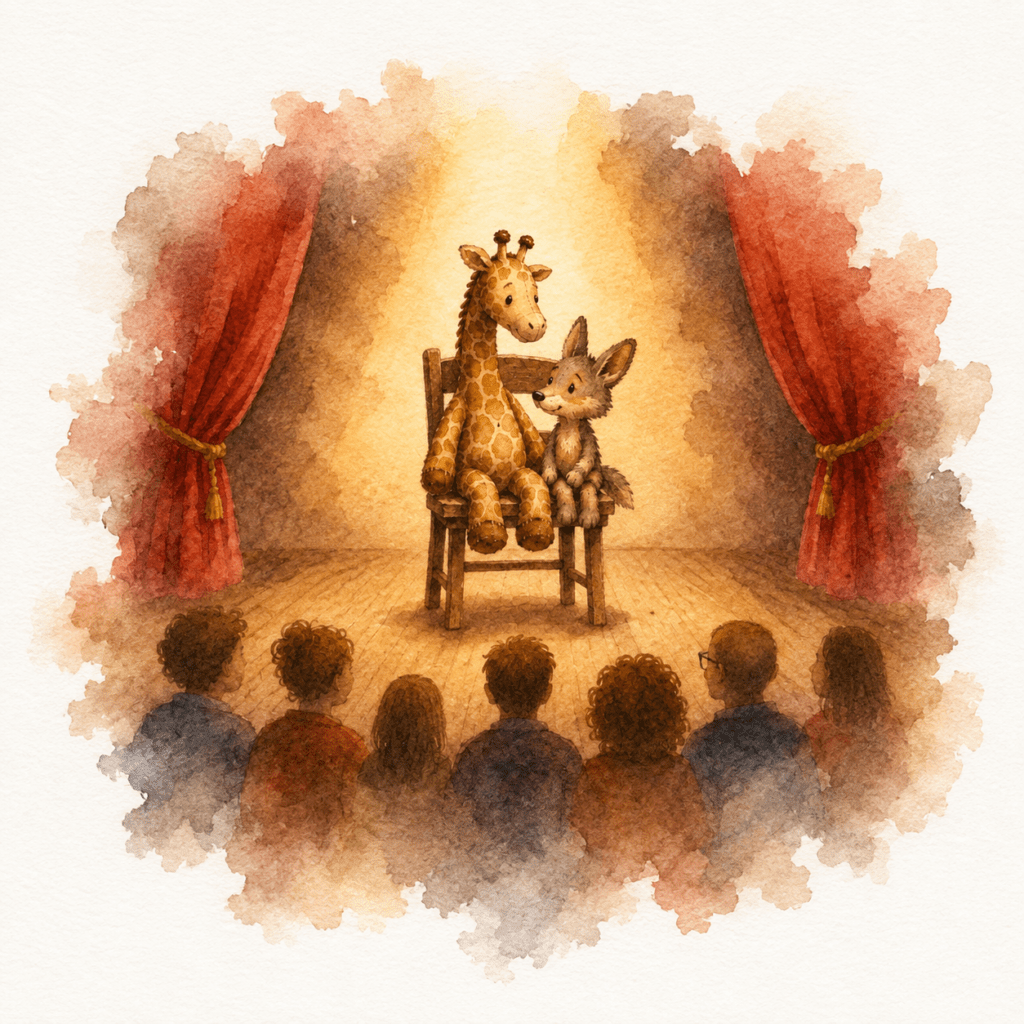
Joining NVC and Forum Theatre in one hot seat, reflections from a training

Last year we created the 2025 edition of this guide, and it was wildly successful. That’s why now we’re coming with the 2026 edition of the Ultimate Erasmus+ Master Guide - a clear, friendly, and experience-based roadmap to help you. In this part, we focus on Frequently Asked Questions and how to write the perfect application!

Last year we created the 2025 edition of this guide, and it was wildly successful. That’s why now we’re coming with the 2026 edition of the Ultimate Erasmus+ Master Guide - a clear, friendly, and experience-based roadmap to help you. In this part, we focus on how to find projects to apply to!

The world of non-formal education and experiential learning has grown a lot through the Erasmus+ programme, and the ecosystem is huge. It’s exciting, but it can feel overwhelming if you’re just stepping in. And sometimes, as exciting as it is, we can get lost in it. Last year we created the 2025 edition of this guide, and it was wildly successful. That’s why now we’re coming with the 2026 edition of the Ultimate Erasmus+ Master Guide - a clear, friendly, and experience-based roadmap to help you:

Legislative theatre is not theatre that just “presents” problems. It is a method that seeks solutions and translates them into the language of policies, regulations, and laws. It is a form of socially engaged art that transforms a theatrical performance into a space for civic dialogue, turning the audience into active participants in the process of social change. It At its core, legislative theatre is grounded in the lived experiences of real people and real communities. It asks a simple yet radical question: What would change if those affected by a given problem had a genuine opportunity to take part in creating the solutions?

We keep saying how „art is good for you” and how creative expression is fundamental to our well-being and mental health, yet we rarely are able to provide any science to back it up. Diving into the wonderful world of research, we mainly end up finding papers reporting improved well-being and empathy, but little actually investigating brain health – up till October of this year, where a group of 50 researchers coauthored a massive multi-method reanalysis of different datasets of previous studies, focusing on the relationship between brain health and art.

What if conflict is not the enemy, but a door? A door to deeper understanding, connection, and personal power. In the international training "Transforming Conflict: Playfight and Nonviolent Communication," 32 youth workers dared to walk through this door—not with lectures, but with movement, sincerity, and play. What happened when the language of empathy met the power of the body? The results exceeded expectations. And left a mark that is already changing communities.

This article explores why true social change must be rooted in nonviolence, and how creative practices like Nonviolent Communication, puppet theater, and legislative theater help communities transform conflict into connection. Through stories and reflections, we uncover how art becomes not just a message, but a method- bold, empathetic, and deeply human.
 This is my inspiration for this theme and it is something I recently discovered as a mindset. I found new logic for my entire life through caring for another and how much hope that brings to an individual when they have to do things to make another creature’s life better and not their own. Which of course makes everyone in the equation happy.